
StoryHero Review: Fast, beginner-friendly AI for KDP-ready books and covers, plus niche research.
You want to publish on Amazon KDP. But the blank page, the messy formatting, and the keyword maze slow you down. You try ChatGPT, then bounce to a cover tool, a formatter, and a keyword app. Hours vanish. In this StoryHero review, I break down a single AI workspace that plans a book, writes clean drafts, sizes your interior, guides your cover, and helps with Amazon metadata. If you want a tool that replaces five tabs and keeps you moving from idea to KDP upload, this StoryHero review shows what works, what needs polish, and who should grab it now.

What is StoryHero?
StoryHero is an AI-powered book creation suite built for Amazon KDP. It helps you plan, draft, format, and package your book in one place. It generates outlines, chapters, and storyboards, suggests KDP-ready trim sizes, and prepares the files you need for upload. It also guides you through titles, subtitles, keywords, and categories to improve your listing. In short, it aims to take you from idea to KDP-ready export with fewer tools and less stress.
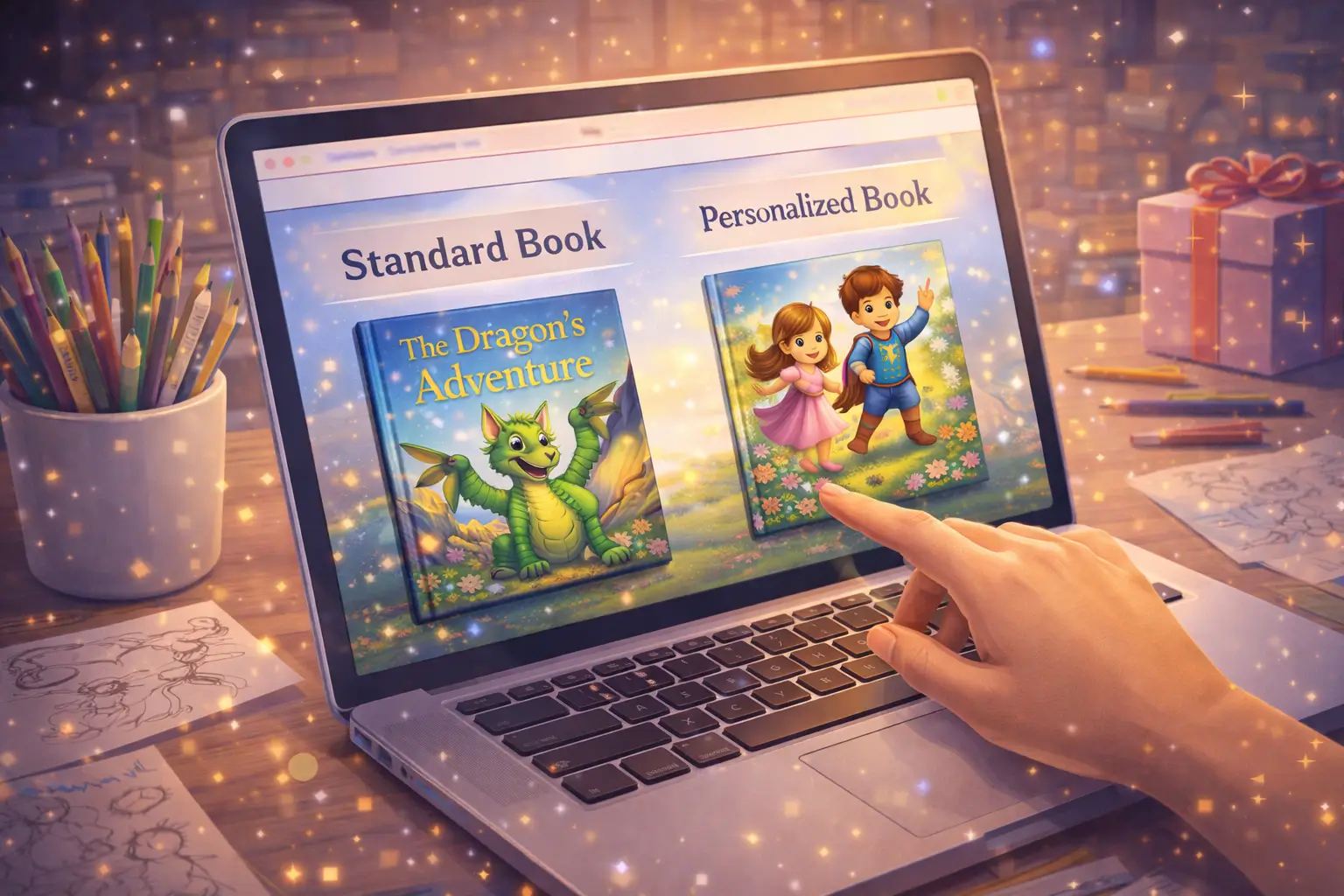
My Personal Experience & In-Depth Walkthrough:
For this StoryHero review, I spent the last 72 hours building three test books: a short picture book, a beginner self-help guide, and a low-content workbook. I used the dashboard flow that mirrors a KDP workflow. I liked that I could pick a template first. Picture Book, Chapter Book, or Non‑Fiction made it simple to start right.
I began with a children’s story. I added the theme, age range, and tone. The AI proposed a tight outline and a panel-by-panel storyboard. This saved me time (big pro). The first draft of the prose was clear but felt safe on the first pass (a con to note). I nudged the style with a “more playful, show-not-tell” tweak. The second pass read much better.
Next, formatting. I chose a KDP trim size from presets. Margins and page numbers auto-applied. Export to DOCX and PDF worked on the first try. That was smooth. I also tested cover guidance. StoryHero gave me KDP cover dimensions and bleed tips for my chosen trim and page count. It suggested color palettes and a simple spine calculator. This did not replace a full design tool, but it stopped me from guessing (strong pro).
For the non-fiction test, I used the outline builder and section expander. It kept chapter headings consistent and added callout boxes for tips. I was impressed by the clarity and the lack of fluff (big pro). The citations and stats needed manual checks, as expected with any AI (important con). The metadata helper suggested titles, subtitles, and seven keywords. Some keyword ideas were broad. With a quick edit, I got more focus (minor con).
Finally, I tried “niche ideas.” The tool offered topic prompts and basic demand signals (trend hints and competition cues). It helped kickstart ideas (useful pro), but I still validated on Amazon before moving forward (smart habit). Overall, the StoryHero review shows a fast path for KDP tasks in one place. It is not a silver bullet, but it removes a lot of friction.

What Makes It Stand Out / Key Features
- End-to-end KDP workflow: idea, outline, draft, format, export
- Trim-size presets and margin guides aligned to common KDP sizes
- Picture book storyboard with scene beats and image prompt suggestions
- Chapter and section expander with tone, audience, and reading-level controls
- One-click DOCX and PDF exports prepared for KDP interiors
- KDP listing helper: titles, subtitles, seven keywords, and category guidance
- Cover planning: exact KDP dimensions, spine width helper, and bleed reminders
- Revision tools: style tweaks, voice consistency, and readability nudges
- Multilingual drafting support for global audiences
- Clean interface that keeps all steps in one timeline

What I Like
- Simple start. Templates map to real KDP book types
- Fast outline to draft. Good structure on the first pass
- Formatting that “just works.” Presets save time and headaches
- Helpful cover specs. No more guessing trim math
- Clear metadata steps. You do not miss key KDP fields
- Solid readability. Drafts avoid filler once guided
- Smooth exports. My test files uploaded without rework
- Good for beginners but still useful for power users
- Cuts tool switching, which keeps focus high

What Can be improved
- First-draft prose can feel generic until you refine the style
- Keyword ideas sometimes start too broad; needs niche sharpening
- Image prompts repeat styles at times; variety controls could be richer

Pricing And Affordability
Pricing can change with promotions and platform fees. Use the button below to see the live offer. Here is a simple plan overview based on the current product positioning:
| Plan | Best For | Core Limits | Exports | Support |
|---|---|---|---|---|
| Starter | New KDP creators | Limited monthly generations | DOCX/PDF | |
| Creator | Active self-publishers | Higher monthly generations | DOCX/PDF + cover specs | Priority email |
| Pro | Agencies/Power users | Expanded or uncapped generations (fair use) | All export options | Priority + onboarding resources |
Tip: If you see a launch deal on WarriorPlus, it may include extra credits or templates. Always check the current terms on the sales page.

Why should you buy StoryHero
Based on my hands-on workflow in this StoryHero review, the tool shines when you want speed with fewer tabs. It does the heavy lifting: outline logic, clean drafts, trim-size formatting, and KDP listing steps. You still stay in control of style and facts. If you publish picture books, short guides, or low-to-mid word count titles, the time saved is real. If you coach authors or run a small content studio, StoryHero helps standardize your process. It is not a replacement for final editing or deep research, but it clears the path so you can focus on voice, accuracy, and design polish.

Comparison With Competitors of StoryHero
| Tool | Best For | AI Writing | KDP Formatting | Keyword Research | Cover Tools | Pricing Model | Where StoryHero Wins |
|---|---|---|---|---|---|---|---|
| StoryHero | All-in-one KDP flow | Yes, guided | Yes, trim presets | Basic idea and niche cues | Cover specs + spine math | Subscription/launch offers | Unified workflow from idea to export |
| Book Bolt | Low-content + research | Minimal | Interiors/templates | Strong for low-content | Basic | Subscription | StoryHero adds full AI drafting + trim exports |
| Publisher Rocket | Keyword + category data | No | No | Strong research | No | One-time fee | StoryHero handles writing and formatting |
| Atticus | Writing + formatting | Limited AI | Yes | No | No | One-time fee | StoryHero adds AI ideation + metadata helper |
| Jasper + Canva | Copy + design | Strong AI copy | No | No | Design only | Subscription | StoryHero centers on KDP-ready book outputs |
FAQ Of The StoryHero Review
Is StoryHero good for beginners on Amazon KDP?
Yes. In my StoryHero review, the templates and guided steps made it easy to go from idea to export without complex setup. You still need to edit and validate facts before you publish.
Can StoryHero create children’s picture books with images?
It builds storyboards and image prompts and helps plan each scene. For images, use the prompts with your preferred generator or design tool, then assemble with the provided trim and bleed specs.
Will StoryHero guarantee KDP approval?
No tool can. In this StoryHero review, the exports matched KDP specs in tests, but approval depends on your content quality, rights, and KDP policies.
Does StoryHero replace a human editor?
No. It speeds drafting and formatting. You should still do a human edit for style, facts, and compliance.
Is there a free trial?
Offers can change. Check the live page via the button in this StoryHero review for current trials, credits, or launch pricing.
Conclusion
This StoryHero review shows a focused, AI-first path for Amazon KDP. It helps you plan smarter, draft faster, format right, and package your listing with less guesswork. The first drafts need your touch, and you should still validate keywords and facts. But if you want a single lane from concept to KDP-ready files, StoryHero is a strong pick. It is especially good for picture books, short non‑fiction, and low-content formats. Use it to cut busywork and keep your energy for voice, research, and design.