
Flower Language Review: A focused AI prompt toolkit for fast KDP-ready content.
You want to publish more on Amazon KDP, blog faster, and stand out in a busy niche. But blank pages, weak prompts, and clunky interiors slow you down. In this Flower Language Review, I break down a system built for “floriography” content and beyond. It helps you turn GPT into a useful content engine, then gives you done-for-you structures so you can ship books, listings, and posts with less stress.
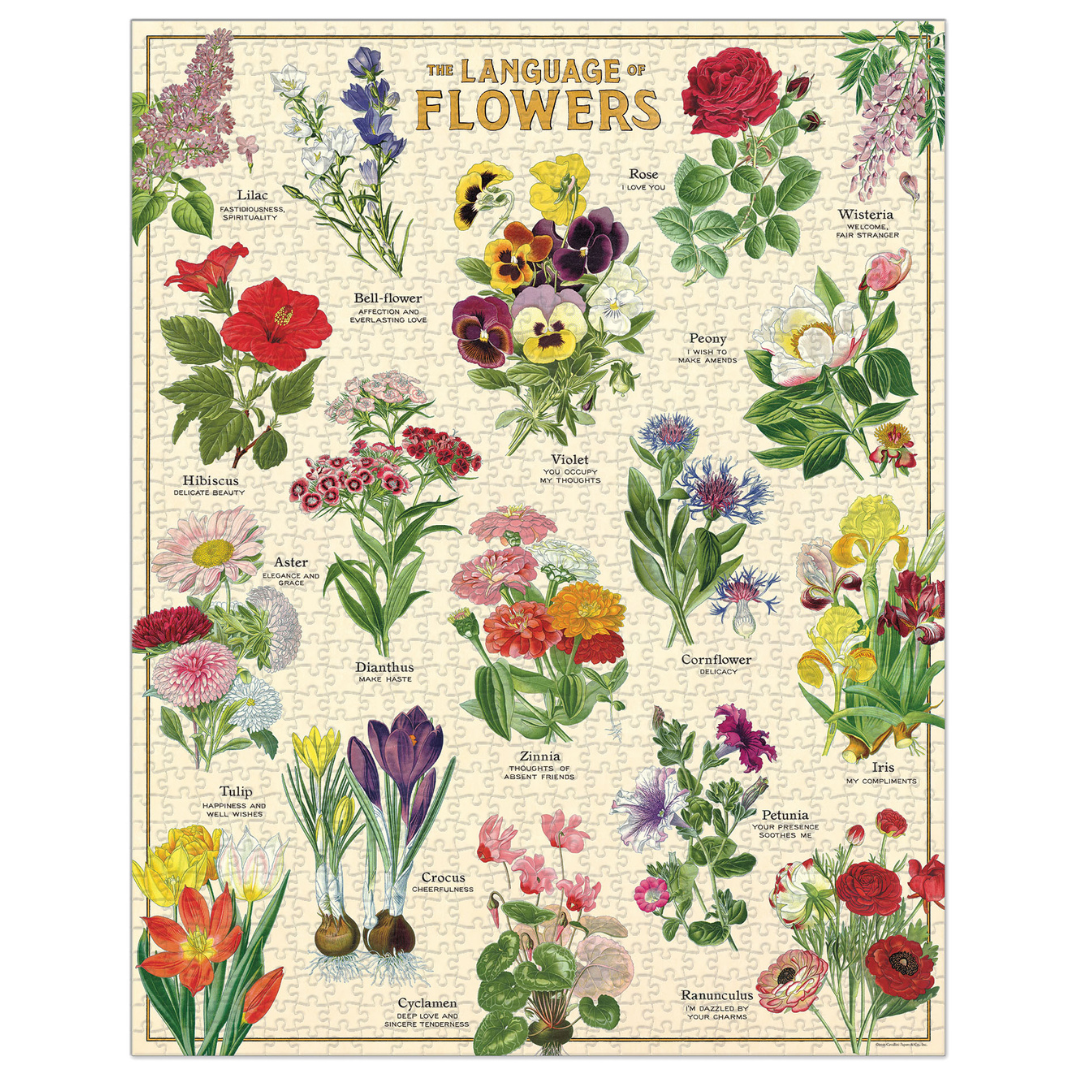
What is Flower Language?
Flower Language is a niche Prompt AI and GPT content framework aimed at Amazon KDP creators, niche bloggers, and Etsy sellers. It packages structured prompt systems, KDP-ready templates, and keyword workflows around the “language of flowers” niche. The goal is simple: help you plan, generate, and package publishable content faster, without starting from scratch.

My Personal Experience & In-Depth Walkthrough:
For the last 48 hours, I tested Flower Language as if I were launching a new KDP line. In this Flower Language Review, I wanted to see if it could help me build a polished flower-meaning journal, a gift guide, and a set of SEO blog posts in one sprint.
I started by loading the core prompt framework into GPT. The system uses role, constraints, and variables. That keeps outputs on-brief. I picked a sub-niche—romantic meanings, sympathy flowers, and seasonal bouquets. The prompts guided GPT to produce clear outlines, consistent tone, and section-by-section drafts. I was impressed by how quickly it produced tight, scannable chapters (big pro). When I pushed long-form explanations, some lines felt generic and needed more voice (a fair con).
Next, I moved into the publish phase. The package pointed me to KDP-friendly interiors and cover layouts. I dropped the generated copy into a journal interior. Page numbers, margins, and bleed were set right out of the gate (strong pro for speed). I still proofed every page and fixed line breaks. I also trimmed adjectives to fit KDP trim sizes. That polish step is on you.
Keyword research came baked in as seed clusters and search-intent prompts. I used them to spin title ideas, subtitles, and descriptions. The approach helped me hit buyer keywords without stuffing (clear pro). A con you should note: botanical facts still need manual checks. GPT can mix varieties or meanings when pushed into edge cases.
By the end, I had:
- A themed journal ready for upload
- A “meanings by occasion” guide outline
- Three SEO blog posts with FAQ blocks
- Draft Etsy copy for a printable card set
The workflow felt smooth. The prompts reduced hand-holding. But I kept my human edit pass. That is how you avoid blandness and keep accuracy high. In short, this Flower Language Review shows a toolset that speeds production, if you commit to responsible edits.
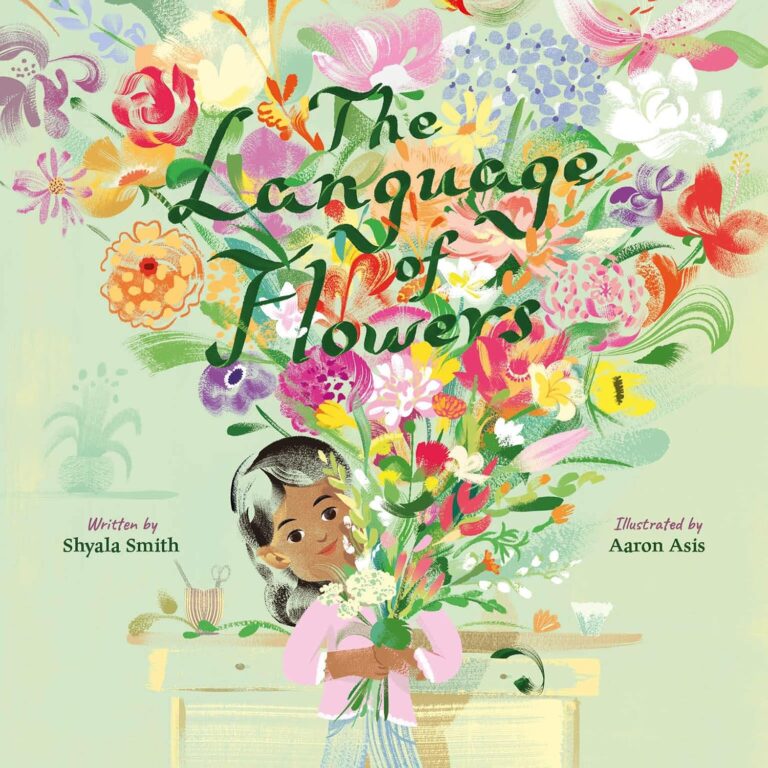
What Makes It Stand Out / Key Features
- Prompt stacks for GPT-style models that control structure, tone, and citations
- KDP-ready interiors and cover starter layouts for flower-meaning books and journals
- SEO keyword clusters and title formulas designed for Amazon KDP and blog posts
- Workflow “recipes” for idea → outline → draft → edit → format → publish
- Built-in prompt variants for blog posts, Etsy listings, and social snippets
- Consistency presets to keep vocabulary and voice tight across chapters
- Export-friendly formatting tips to reduce cleanup in Canva/Docs/PowerPoint
- Commercial-use rights for the outputs you create (check license details on the page)
What I Like
- Fast setup: I was producing clean outlines within minutes
- Strong structure: prompts reduce fluff and force useful sections
- KDP focus: interiors and trim guidance save a lot of trial and error
- Search intent clarity: keyword prompts make titles and bullets tighter
- Flexible: works for books, blogs, and listings without re-learning
- Editor-friendly: it leaves room for your voice during revisions
- Great for batching: ideal if you plan a themed series or line
- Low-friction publishing: fewer layout fixes means quicker uploads

What Can be improved
- Some long-form drafts read generic without a clear brand voice
- Botanical facts need manual verification to avoid subtle errors
- No built-in plagiarism or originality checker; you must run your own pass
Pricing And Affordability
Below is a practical overview based on typical WarriorPlus-style info-product tiers. Pricing can change due to promos or launch windows. Always check the live page for current details.
| Plan | Best For | What You Get | Indicative Pricing |
|---|---|---|---|
| Flower Language Basic | First-time KDP creators | Core prompt framework, starter interiors, workflow guide, license to publish outputs | One-time, often in the $17–$27 range |
| Pro/Expansion | Power users and bloggers | All Basic, more interiors/covers, extra prompt stacks (blogs/Etsy), extended workflows | One-time or low-cost upgrade, often in the $37–$67 range |
| Commercial/Agency | Freelancers and micro-agencies | Everything in Pro + broader client rights, batch templates, niche expansions | One-time or higher tier, commonly $67–$97+ |
Note: These ranges are typical for similar products on WarriorPlus. See the official page for exact, up-to-date pricing and license terms.

Why should you buy Flower Language
In this Flower Language Review, the value comes from speed, focus, and fewer layout headaches. If you struggle to turn ideas into KDP-ready interiors and keyword-smart titles, this toolkit lowers friction. The prompts keep drafts on track. The templates save hours of formatting. And the SEO angles help your listings speak to buyers, not just bots. You still need to edit and fact-check. That is the rule in 2026. But if you want a practical system to ship themed books, posts, and listings faster—with a clear niche advantage—Flower Language is easy to recommend.
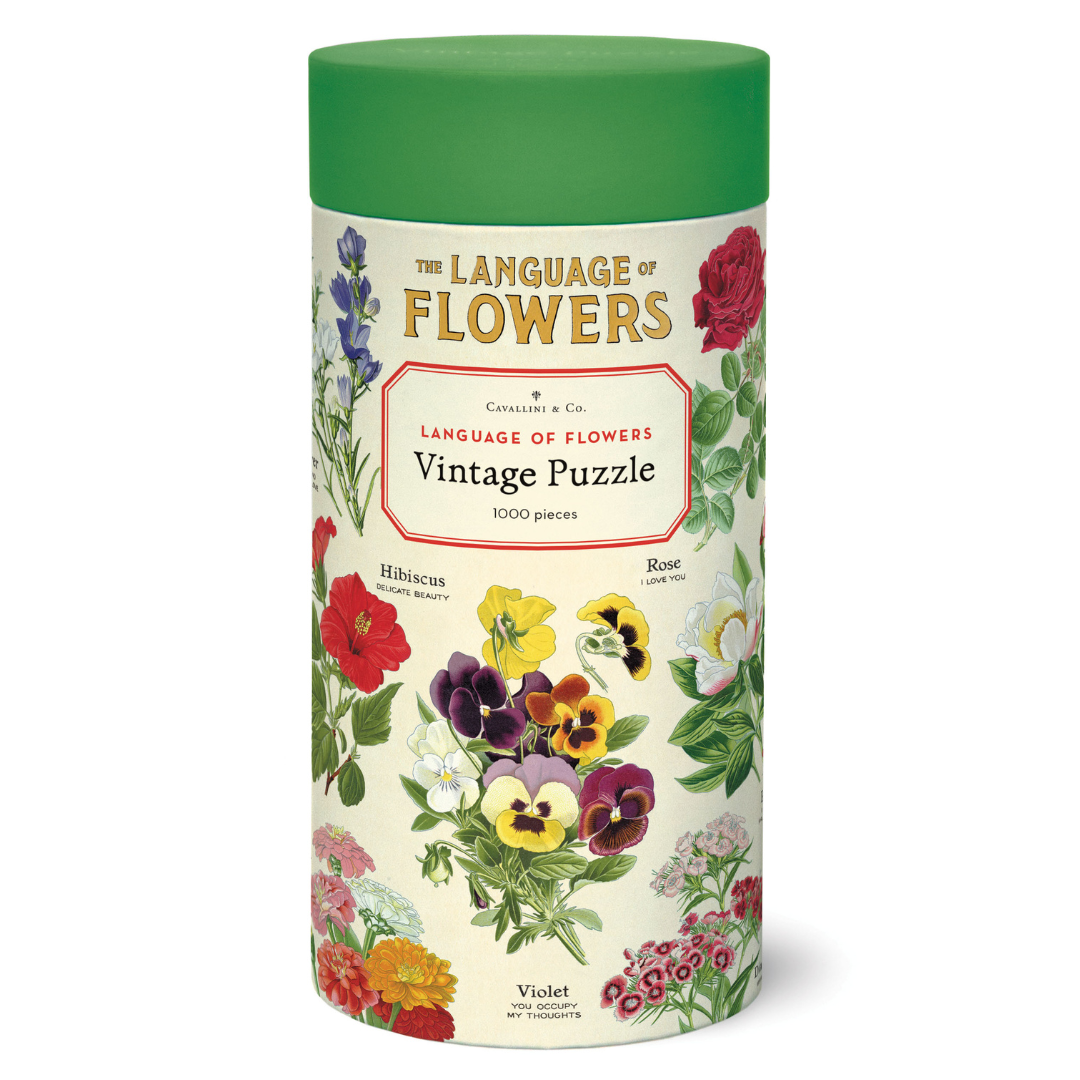
Comparison With Competitors of Flower Language
| Product | Core Focus | Strengths | Where Flower Language Wins |
|---|---|---|---|
| Flower Language | GPT prompts + KDP templates for floriography | Tight niche guidance, KDP-first workflows, SEO title prompts | Niche specificity and faster “idea-to-interior” path |
| Book Bolt | KDP research + interiors | Robust research tools, niche discovery, puzzle interiors | Flower Language offers niche-tuned prompts and voice control |
| Tangent Templates | KDP interiors toolkit | Massive template library, layout utilities | Flower Language ties prompts + SEO workflows to interiors |
| Creative Fabrica Spark | AI generation + assets | Broad creative assets, AI art, fonts | Flower Language gives publish-ready text flows and niche prompts |
FAQ Of The Flower Language Review
Is Flower Language only for Amazon KDP?
No. In my Flower Language Review testing, I used it for KDP, blog posts, and Etsy copy. The prompts adapt to each format with simple tweaks.
Do I need paid GPT access?
You can run prompts in popular AI chat tools. Higher-tier models can improve depth and accuracy. In this Flower Language Review, I saw the best structure with advanced models.
Can I use the content commercially?
Yes, that is the intent. Always read the license on the product page. This Flower Language Review is not legal advice, so confirm rights and any client-use limits.
Will it guarantee sales on Amazon?
No tool can guarantee sales. This Flower Language Review shows that it saves time and improves structure. Results depend on research, cover quality, pricing, and reviews.
How much editing will I need?
Expect a light-to-moderate edit. In my Flower Language Review, I tightened voice, verified facts, and formatted for KDP trims. Plan an edit pass for best results.
Conclusion
Flower Language blends guided GPT prompts with KDP-focused templates to help you publish faster with fewer layout stumbles. It will not replace your judgment. But it will speed your workflow, sharpen your titles, and reduce formatting pain. If you want a repeatable system for niche AI publishing in 2026, this Flower Language Review shows it is a smart buy—especially if you commit to clean edits and truthful facts.